Why film works so well for Lent
Lent is a season of reflection, and people reflect differently when they're watching something together than when they're listening to a talk. A well-chosen film or short video creates shared experience. It gives people something concrete to respond to — not just an idea, but a story they've all just watched unfold in front of them.
Jesus Film Project has been producing Christian content for decades. Everything listed here is free, hosted on YouTube, and designed to be used exactly this way: in groups, with conversation afterwards. No licensing fees, no permissions to seek, no downloads required.
Lent 2026 runs to Easter Sunday on 5 April. Holy Week begins Palm Sunday, 29 March. There's still time to build a Lent film series into your programme — even starting this week.
Lent 2026 key dates
My Last Day — the most powerful short film for Lent
This is the one to start with. Thirty minutes, anime format, and it covers the crucifixion from the point of view of the repentant thief. It's not what people expect from church content — and that's exactly what makes it work.
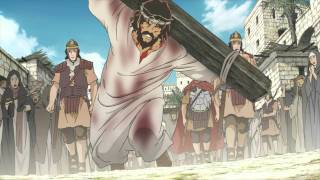
The crucifixion told through the eyes of the repentant thief crucified beside Jesus. The anime format disarms people who'd usually put their defences up, and the story reaches emotionally before anyone has a chance to intellectualise their response. Works brilliantly for mid-Lent small groups and as a Good Friday evening film.
View details and discussion guide →Tip: Don't introduce it as "a film about Jesus" or "something about the crucifixion." Just say you're watching a 30-minute short film and press play. The response afterwards is always more authentic when people don't have expectations going in.
Discussion questions for My Last Day
- What moment in the film surprised you most? Why?
- The thief did nothing to earn what he was given. How does that sit with you?
- What does Jesus' response to him tell you about who Jesus is?
- Is there anything in your own life you find it hard to accept forgiveness for?
- If this story is true, what does it mean for how we treat people who are at the end of their rope?
The Holy Week series — eight days, eight short videos
If you want something structured for Holy Week specifically, this is what you need. Eight videos, one for each day from Palm Sunday to Easter Sunday. Each is 5 to 10 minutes long. They're short enough to open a service or meeting with, and rich enough to drive a 20-minute conversation.
You don't need to prepare anything extra. Show the video, leave space, ask one question. That's it. The content carries the weight.
See the full Holy Week series page with all eight videos and daily discussion questions.
Building a Lent film series in your church
You don't need a formal programme to make this work. Here's one simple structure you can start this week:
Use the Jesus Film or individual episodes exploring his life and teaching. Good for mid-week groups or Sunday discussion starters.
My Last Day works here — a focused, emotional engagement with the crucifixion. Best shown in one sitting with discussion after.
One video each day, Palm Sunday through Easter Sunday. Five to ten minutes each. Works for services, small groups, or personal reflection.
Use the final Holy Week video or the Easter Sunday chapter from the Jesus Film. Ends the season with the central claim of Christianity.
The Jesus Film — for longer sessions and open events

The complete story of Jesus based on the Gospel of Luke. Seen by more than 500 million people worldwide. Works well for open evenings, Alpha-style events, or as a Lent film night open to the community. Accessible to people with no church background.
View full film page →Using these resources with youth groups
My Last Day is consistently the strongest film for young people in a Lent setting. The anime format removes the "this is a church thing" barrier that makes teenagers switch off. You can use it with secondary school groups, youth clubs, and school RE contexts equally well.
For younger teens, show it cold — no introduction about the subject. For older groups, you can frame it as exploring what the crucifixion actually meant to someone who was there. Either way, the discussion afterwards tends to surprise people.
See the full guide to free Christian films for youth groups for more recommendations by age group.
Getting the most from film-based discussion
Before you show anything
Set up well in advance — poor audio ruins the experience more than anything else. If you're using a laptop, external speakers make a real difference. For a group of more than 10, a projector or large screen helps people engage together rather than watching separately.
During the film
Don't comment or explain while it's playing. Just let people watch. If someone has a visible reaction, don't acknowledge it in the moment — it can embarrass them and close them down before the discussion even starts.
After the film
Silence first. A few seconds of quiet is fine. Then one open question: "What stayed with you from that?" or "What surprised you?" Let the group respond before you say anything else. Your job at this point is to listen, not to teach.
Register as a partner
If you're using these resources regularly with your church or group, register as a Jesus Film Project partner. It's free and gives you access to more complete discussion guides, follow-up materials, and resources for ongoing discipleship. See the churches page to register.