More Than a Holiday
Easter is the oldest and most significant festival in the Christian calendar. It marks the resurrection of Jesus Christ from the dead, which Christians believe happened three days after his crucifixion in Jerusalem around 30 AD. Without Easter, there is no Christianity. The apostle Paul wrote it plainly: "If Christ has not been raised, your faith is worthless." Everything rests on what happened that first Easter morning.
But Easter does not begin on a Sunday. It begins with a week, and that week tells a story worth knowing, even if you have heard it before.
Palm Sunday: A Strange Kind of King
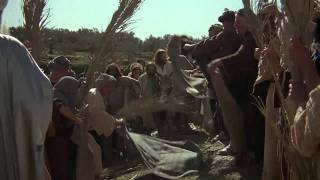
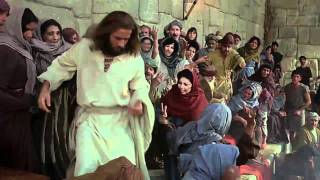
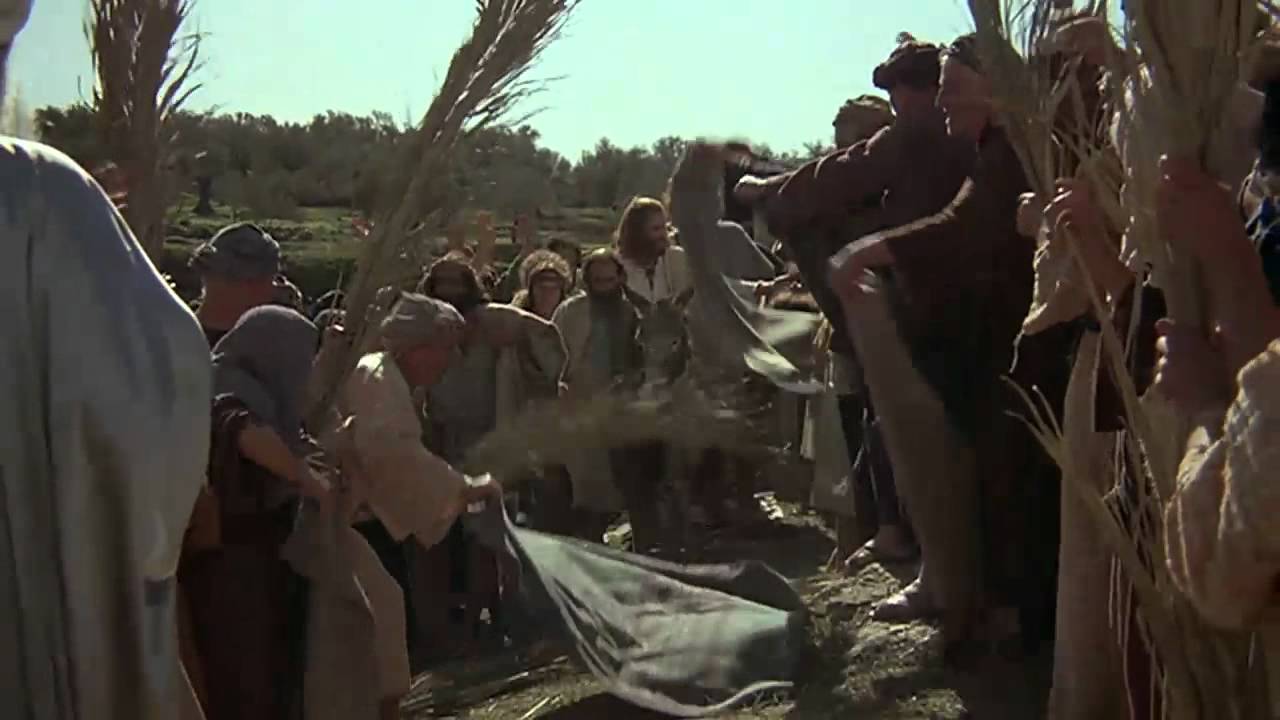
The week we call Holy Week begins on Palm Sunday, the Sunday before Easter. Jesus arrived in Jerusalem riding on a donkey, and the crowds lined the streets, throwing down palm branches and shouting "Hosanna." It was a hero's welcome. The people expected a political deliverer, someone who would overthrow Roman rule and restore Israel to greatness.
The donkey was not an accident. It was a deliberate echo of a prophecy written five centuries earlier: "See, your king comes to you, gentle and riding on a donkey." Jesus was making a claim, but not the kind anyone expected. A conquering king rode a war horse. This king arrived on a borrowed donkey.
The Last Supper
By Thursday evening, the mood had shifted. Jesus gathered with his twelve closest followers for a Passover meal, the Jewish festival commemorating liberation from slavery in Egypt. During the meal, he took bread and wine and gave them new meaning: his body, broken; his blood, poured out. He was telling them what was about to happen before they had the capacity to understand it.
He also did something that stopped everyone in the room. He knelt down and washed his disciples' feet, the work of a household servant. "I have set you an example," he said, "that you should do as I have done for you." The one who had ridden into Jerusalem to cheering crowds was on his knees, washing the dirt from someone else's feet.
"Now is the Son of Man glorified, and God is glorified in him."
After the meal, they walked to a garden called Gethsemane, where Jesus prayed with an intensity his disciples had never witnessed. Three times he asked if there was another way. Three times he surrendered to what was coming. His friends fell asleep.
Good Friday: The Crucifixion
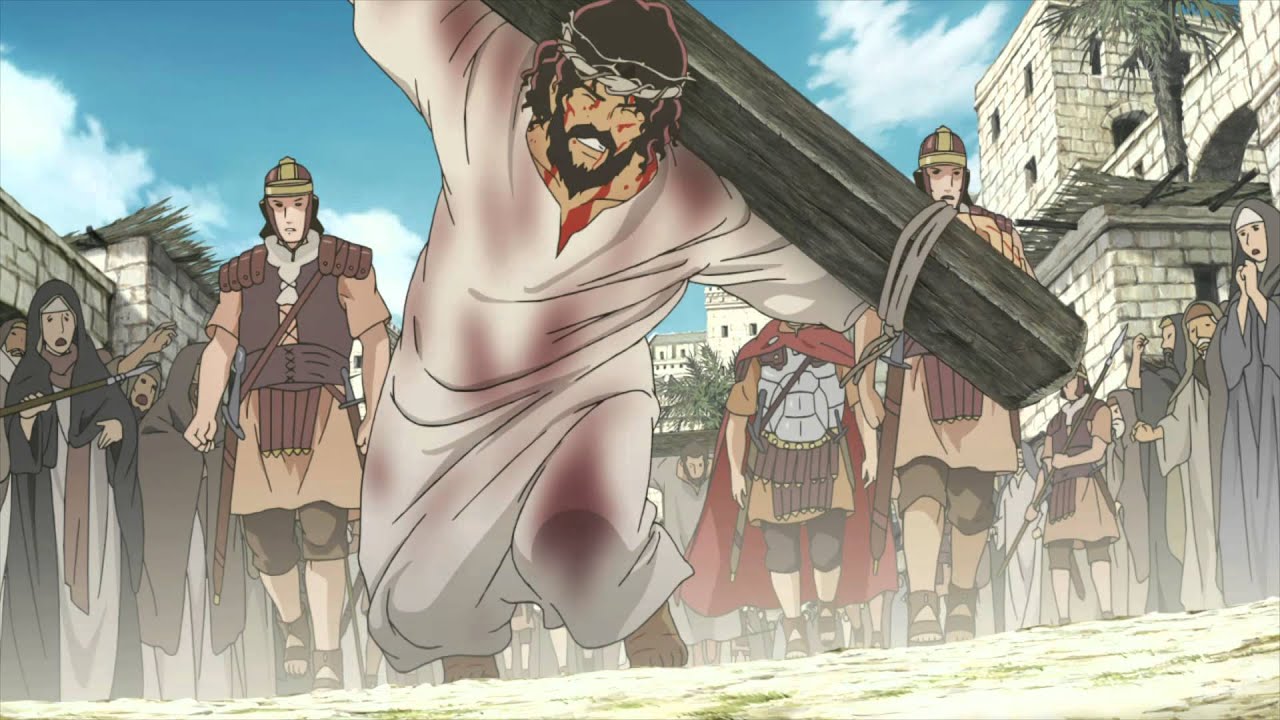
By Friday morning, Jesus had been arrested, tried before the Roman governor Pontius Pilate, found innocent by Pilate's own verdict, and then condemned anyway because the crowd demanded it. He was flogged, mocked with a crown of thorns, and led through the streets of Jerusalem carrying the instrument of his own execution.
Crucifixion was Rome's most extreme punishment, designed not just to kill but to humiliate. It was reserved for slaves, rebels, and the worst criminals. Jesus died alongside two convicted thieves. He was thirty-three years old.
The question Christians have been wrestling with ever since is why. Theologians have developed multiple frameworks to explain what the crucifixion achieved, but the accounts themselves are spare and unflinching. The man who had healed the sick, welcomed the outcast, and taught his followers to love their enemies died in the most degrading way the empire could devise. And his closest friends ran away.
The Day In Between
Holy Saturday is the day that often gets overlooked. The disciples did not know Sunday was coming. For them, Saturday was simply the day after everything had gone wrong. The one they had staked their lives on was dead, sealed in a borrowed tomb. The silence of Holy Saturday captures something honest about human experience: the long day between devastation and hope.
Easter Sunday: The Empty Tomb
It was the women who arrived first, early on Sunday morning, carrying spices to anoint the body. They found the stone rolled away from the entrance to the tomb. The body was gone. An angel told them: "He is not here. He has risen."
What followed was the most consequential series of events in Western history. Jesus appeared to Mary Magdalene, who mistook him for the gardener until he said her name. He appeared to his disciples, who were hiding behind locked doors. He appeared to two followers walking the road to Emmaus, explaining the scriptures as they walked, and they did not recognise him until he broke bread with them. He appeared to more than five hundred people at once, according to Paul's account, written within twenty-five years of the event.
The disciples who had fled on Friday were dead and buried by the second century, most of them executed for insisting that what they had seen was real. People do not die for things they know are lies. Whatever happened that Sunday morning, it produced a movement that a Roman execution had failed to stop.
Why Easter Still Matters
Even for someone who is not a believer, Easter raises questions worth sitting with. If death is not the final word, what does that change? If the story is true, what does it ask of us? If it is not true, why has it shaped two thousand years of human thought, art, music, and ethics?
The early church's answer to those questions was not an argument. It was a life. They sold their possessions and held everything in common. They cared for the sick and the orphaned and the elderly in a society that left them to die. They treated slaves and free people as equals. They did not fight back when persecuted. They said this was Easter. This is what an empty tomb produces.
One of the most striking examples of what Easter produces is the life of St Patrick. A kidnapped British teenager who found faith as a slave in Ireland and then chose to return to the people who had enslaved him. His story is one of the most unexpected in history. Read the true story of St Patrick here.