A Boy From Roman Britain
The man the world calls St Patrick was born around 385 AD in Roman Britain. His real name was likely Maewyn Succat, and he grew up in a comfortable, Romanised family. His father Calpurnius was a deacon and a minor government official. His grandfather was a priest. By all accounts, Patrick grew up with the trappings of civilisation: education, status, and relative safety.
But Patrick himself later admitted that as a teenager, he did not care much for God. He described his younger self as someone who had turned away from the faith of his family. He was, by his own account, an ordinary young man in an extraordinary time. The Roman Empire was fraying at its edges, and the coasts of Britain were increasingly vulnerable to raiders from across the Irish Sea.
Kidnapped at Sixteen
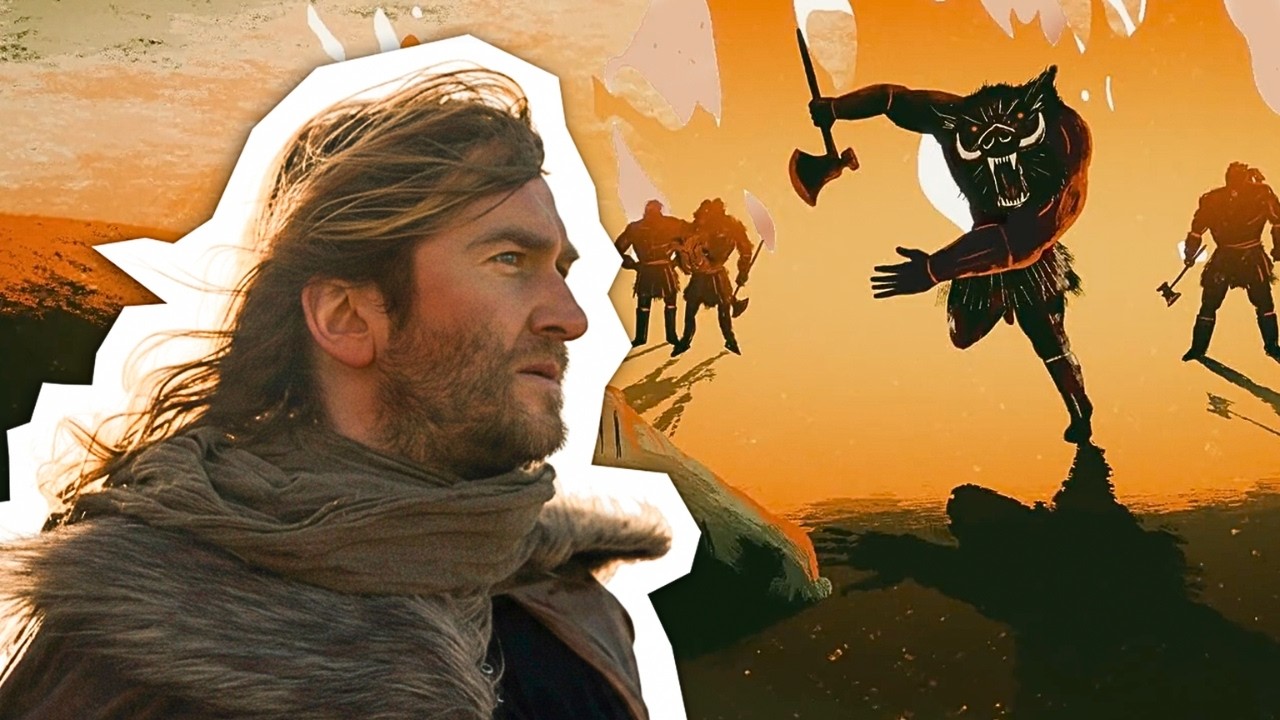
When Patrick was sixteen years old, Irish raiders attacked his family's estate. They seized him, along with thousands of others, and carried them across the sea to Ireland. Overnight, a young man who had known comfort and privilege was stripped of everything. He became a slave.
Patrick was put to work as a shepherd, tending flocks on the cold, lonely hillsides of western Ireland. For six years, he endured hunger, exposure, and isolation. He had no friends, no family, no advocate. He was utterly alone in a foreign land.
"I was like a stone lying in deep mud. And He who is mighty came and in His mercy lifted me up."
It was in that solitude, Patrick later wrote, that he began to pray. Not the rote prayers of his upbringing, but desperate, heartfelt conversations with God. He described praying a hundred times a day and almost as many at night, out in the forests and on the mountains, in snow and rain and frost. Something changed in him during those years. The faith that had been handed to him as a child became his own.
The Escape
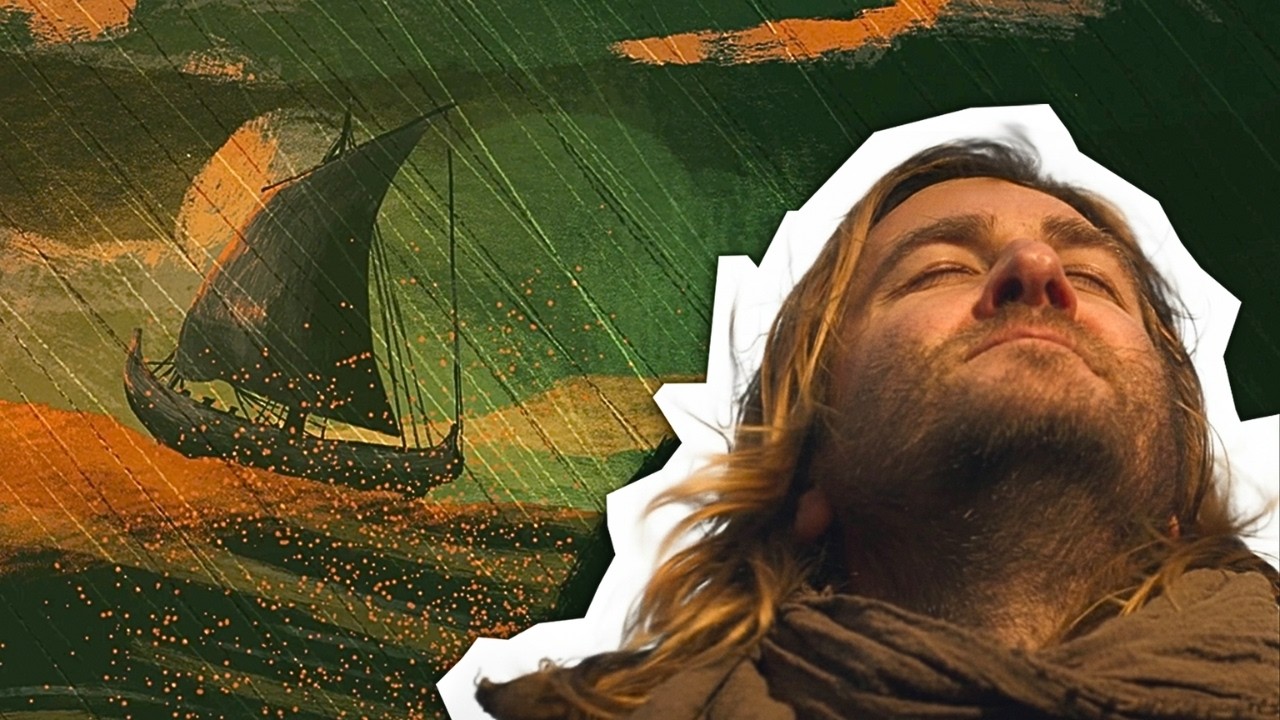
After six years of captivity, Patrick heard a voice in a dream telling him that a ship was waiting for him. He walked nearly 200 miles across Ireland to the coast, a dangerous journey for an escaped slave who could have been captured or killed at any point. When he arrived at the shore, he found a ship preparing to sail. The captain initially refused to take him, but then relented.
The journey home was not straightforward. After landing, Patrick and the sailors wandered through a deserted landscape for nearly a month, running out of food. It was only after Patrick prayed that they encountered a herd of wild pigs, which saved them from starvation. Eventually, Patrick made it back to Britain and was reunited with his family.
He was free. He was safe. He was home. And that should have been the end of the story.
The Call to Return
A Dream That Changed Everything
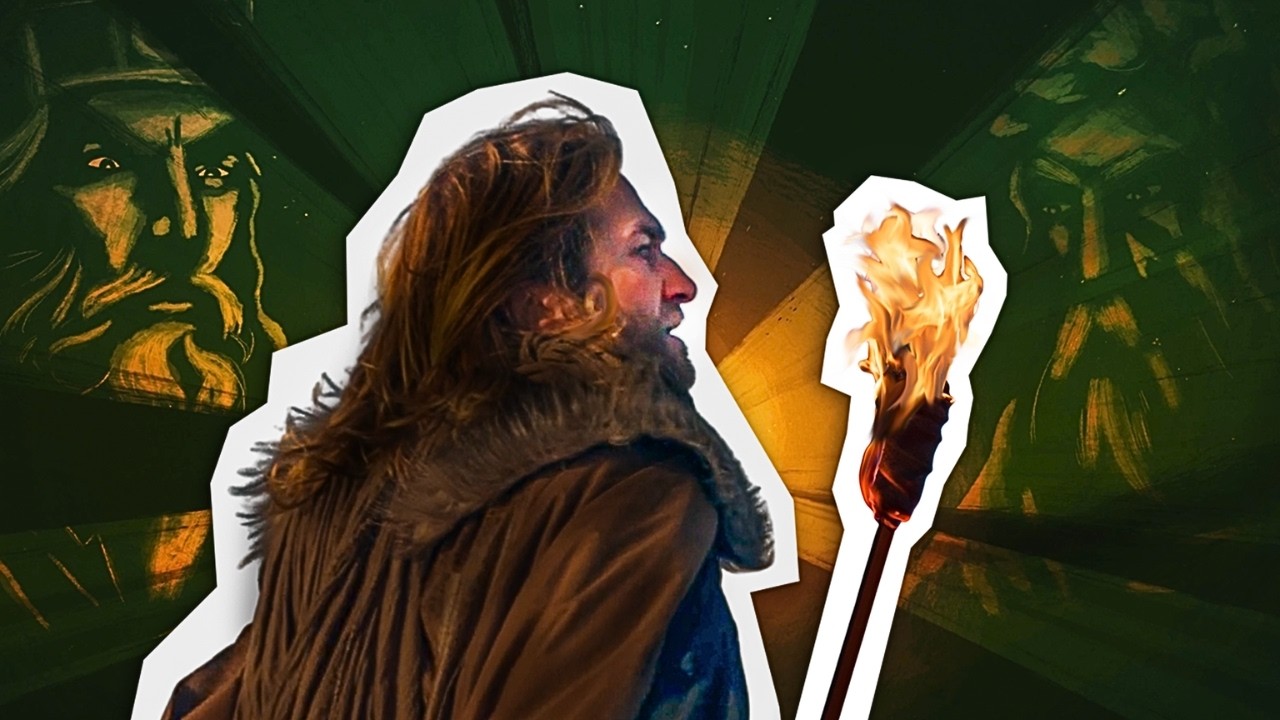
But Patrick had another dream. In this one, a man named Victoricus came to him carrying countless letters. Patrick opened one, and as he read the opening words, he heard the voices of the Irish people calling out to him: "We ask you, boy, come and walk among us once more."
This is the part of Patrick's story that still stops people in their tracks. He was being called to go back. Back to the land that had enslaved him. Back to the people who had taken everything from him. Not for revenge, not for justice, but to serve them.
Patrick spent the next years preparing. He studied theology, likely in Gaul (modern-day France), and was eventually ordained as a bishop. Around 432 AD, he returned to Ireland. Not as a slave, but as a missionary.
Patrick's Mission in Ireland
The Ireland that Patrick returned to was a pagan land, governed by tribal kings and druids. Christianity was virtually unknown outside of small pockets in the south. Patrick did not arrive with an army or political backing. He came with a small group of companions and an extraordinary willingness to meet people where they were.
Patrick travelled the length and breadth of Ireland, preaching, baptising, and establishing churches. He navigated the complex political landscape of Irish tribal society with remarkable skill, winning the trust of local kings and chieftains. He ordained priests and consecrated nuns. He faced opposition, threats, and at least one period of imprisonment.
What made Patrick distinctive was his approach. He did not try to impose Roman culture on the Irish. Instead, he worked within their existing social structures, adapting his message to resonate with people who had never encountered it before. He is said to have used the shamrock to explain the concept of the Trinity, though this famous story does not appear in his own writings.
Separating Myth From History
Over the centuries, Patrick's story has gathered layers of legend. He is credited with driving the snakes out of Ireland, though Ireland has had no native snakes since the last Ice Age. He is associated with leprechauns, green rivers, and parades. The real Patrick would scarcely recognise the global celebration that bears his name.
What we know of the actual Patrick comes primarily from two documents he wrote himself: the Confessio, a spiritual autobiography, and the Letter to Coroticus, a furious denunciation of a British warlord who had enslaved some of Patrick's newly baptised converts. These are among the very few documents from fifth-century Britain written by the person they describe, making them extraordinarily valuable to historians.
In these writings, Patrick comes across as humble, passionate, and deeply aware of his own limitations. He apologises repeatedly for his poor Latin. He describes himself as "a sinner, the most unlearned of men, the least of all the faithful." He is not the confident, triumphant figure of later legend. He is a man haunted by his past, driven by a calling he did not choose, and sustained by a faith he did not expect to find.
The Legacy of St Patrick
Patrick died around 461 AD, probably at Saul in modern-day County Down, Northern Ireland. By the time of his death, Ireland had been profoundly changed. Within a generation, the country would become one of the great centres of Christian learning in Europe, producing the monks and scholars who helped preserve classical civilisation during the Dark Ages.
But Patrick's legacy is not just historical. His story raises questions that are still worth sitting with today. What would it take to forgive the people who had hurt you most? What does it mean to hear a calling that leads you somewhere difficult? How do you respond when the path forward leads back through your deepest pain?
The real St Patrick was not a character from a greeting card. He was a kidnapped teenager who became a slave, found faith in isolation, escaped against the odds, and then chose to return to the very place that had broken him. That story is worth knowing. And it is worth telling properly.
Patrick's story leads directly to Easter. The resurrection he preached in Ireland — the central claim of the faith that had transformed his life — is the subject of our next piece. If you want to understand what Easter is actually about and why it became the most celebrated event in history, read the full Easter story here.